Home Still Home
Osisun Gallery, Seoul, South Korea
March 15 - 28, 2026 | 2pm - 8pm
Home Still Home is a group exhibition about South Korean wetlands, curated by 2025-26 Creature Conserve Curatorial Fellow, Eunhyung Chung.
On the layered ground of Seongsu-dong, once used to purify and control the city’s water, the artists imagine a “last wetland.” Mutated aquatic beings that swallow waste, and the creatures that remain to protect their habitat, occupy a future landscape we will briefly reconstruct inside Osisun in Seongsu.
Exhibiting Artists
Hyerin Kim
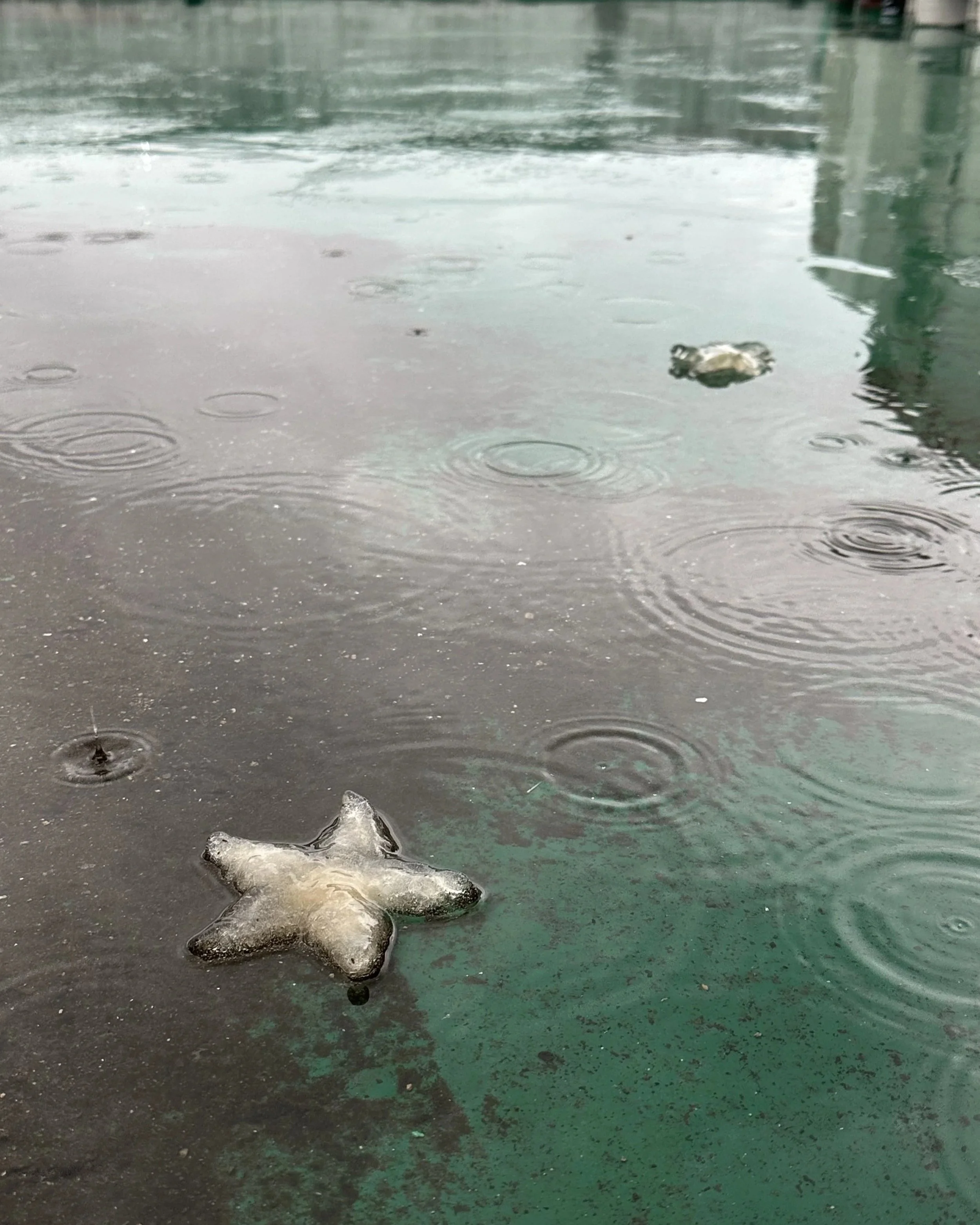
Faint Plot, cement, cellulose, 75x100cm, 2026
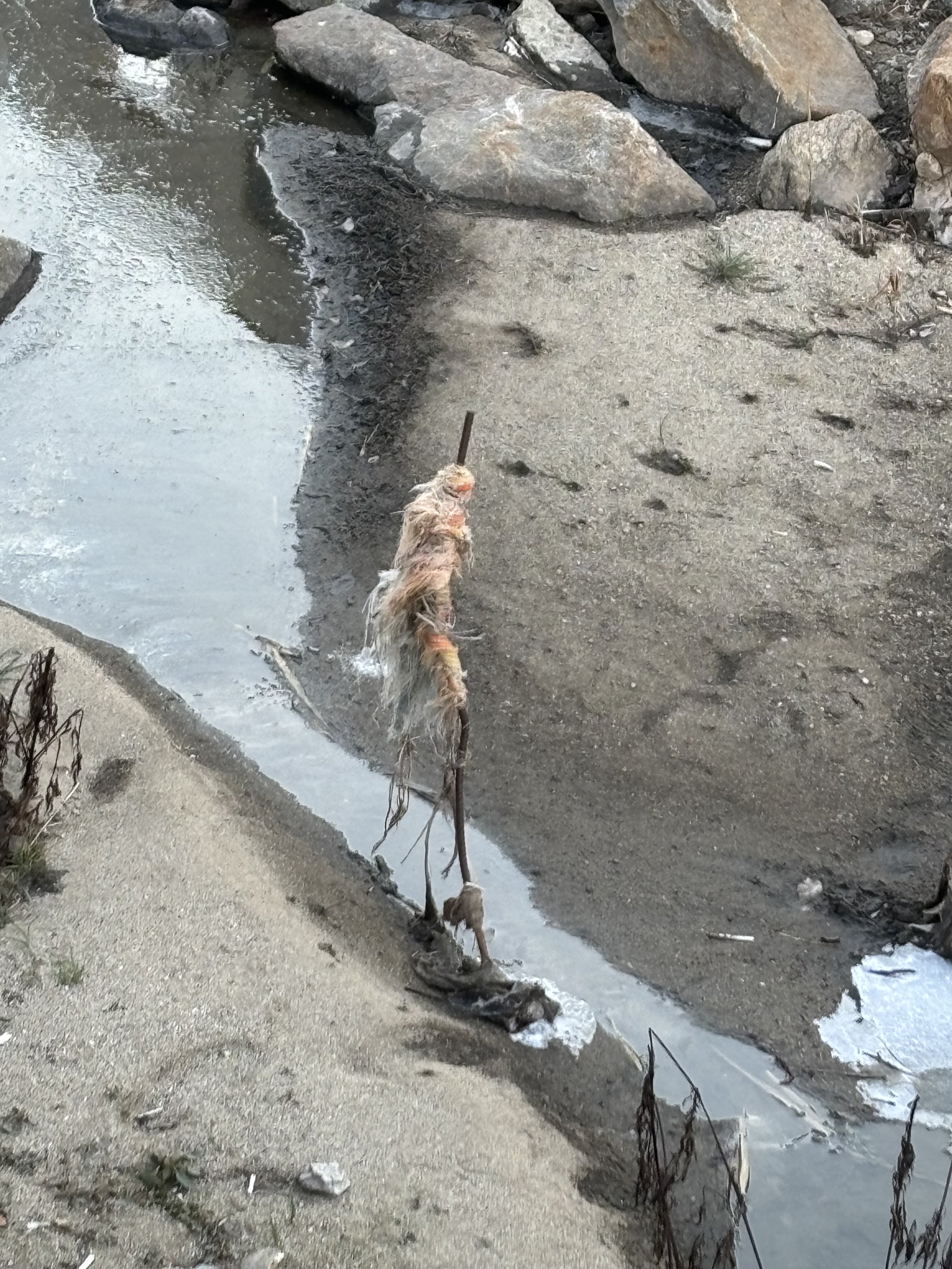
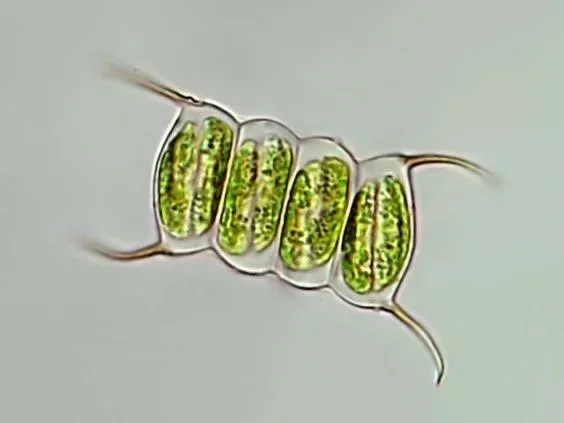
Faint Plot depicts the lives of beings drying out atop a stone-like mass that still bears the traces of water that once filled it. In the place where the water has disappeared, they slowly begin to lose their original forms.
The white band left on the stone as the water dried evokes the time when water once lingered here. Yet this stone is not a real stone, but a false mass made of cement, merely imitating the appearance of stone in order to call forth that memory. The thin layer of paint applied over the cement is gradually peeled away by the beings drying and twisting upon it, and the surface is slowly deformed. As we look upon this strange and artificial landscape, we are reminded of the beings disappearing within the arid cityscape we ourselves have transformed.
REFERENCES:
Hundreds of plastic-eating fungi and bacteria discovered: https://thescienceplus.com/news/newsview.php?ncode=1065574792867559
Yujin Lee
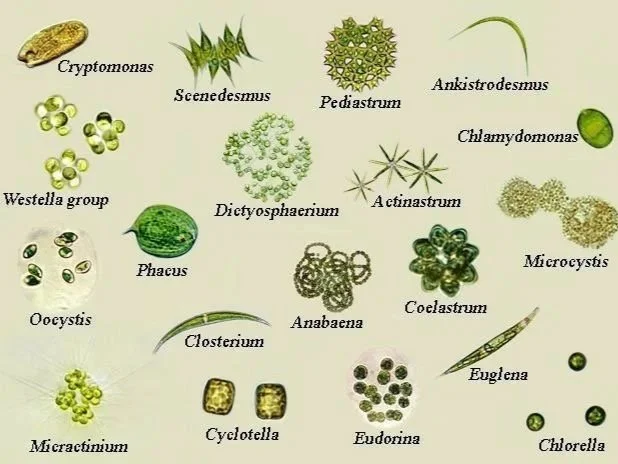
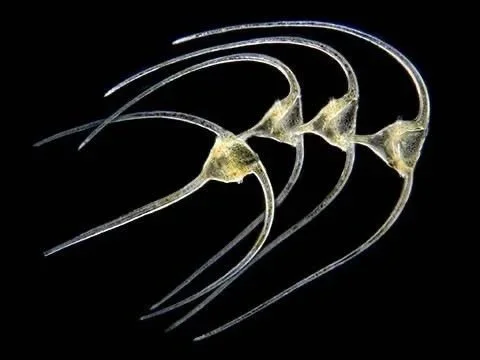
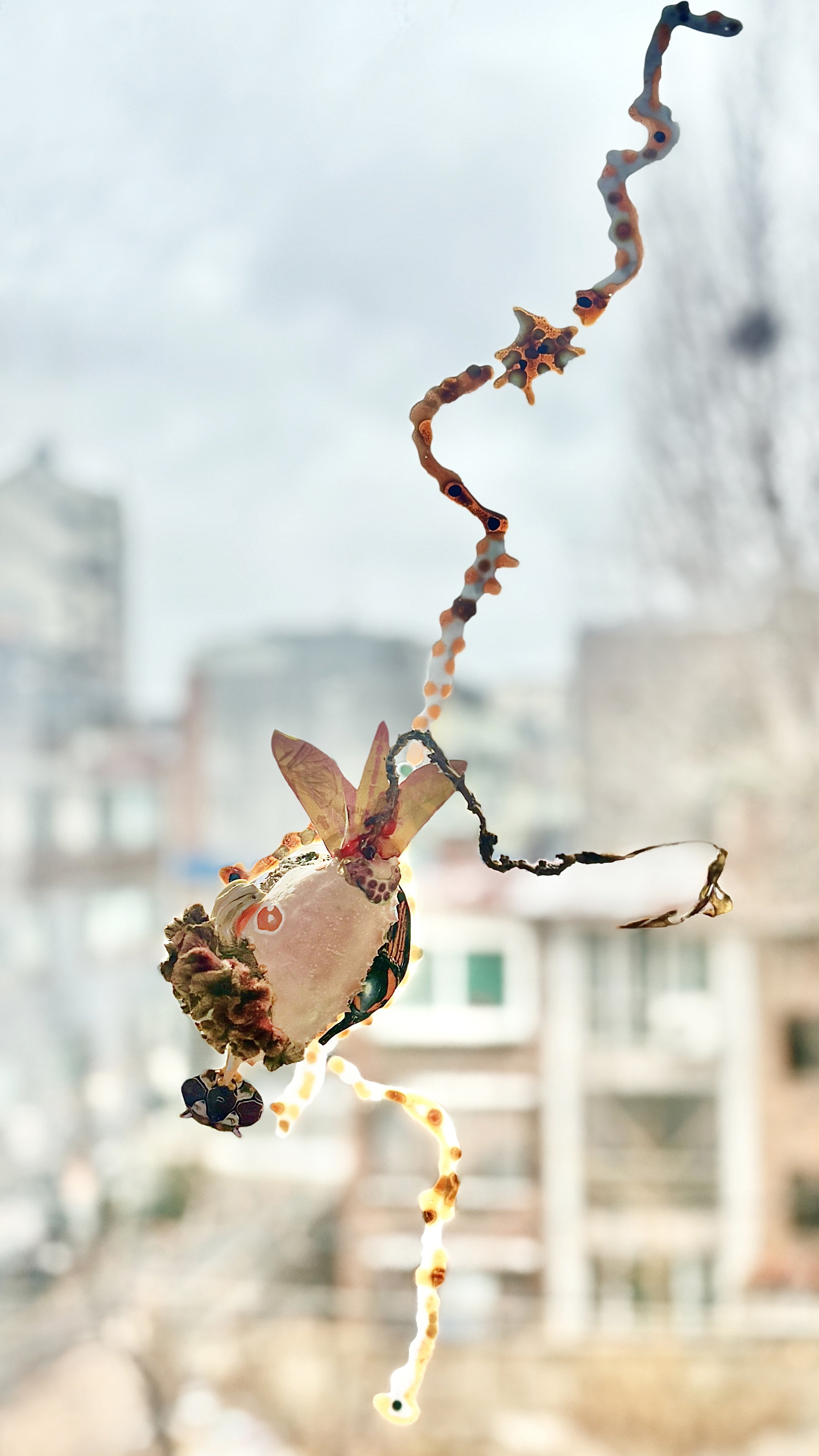
Let Us Descend, Gleaming, cement, cellulose, 75x100cm, 2026 , mixed media (collected materials on a windowpane, prints, paper pulp, paints, glitter), variable installation, 2026
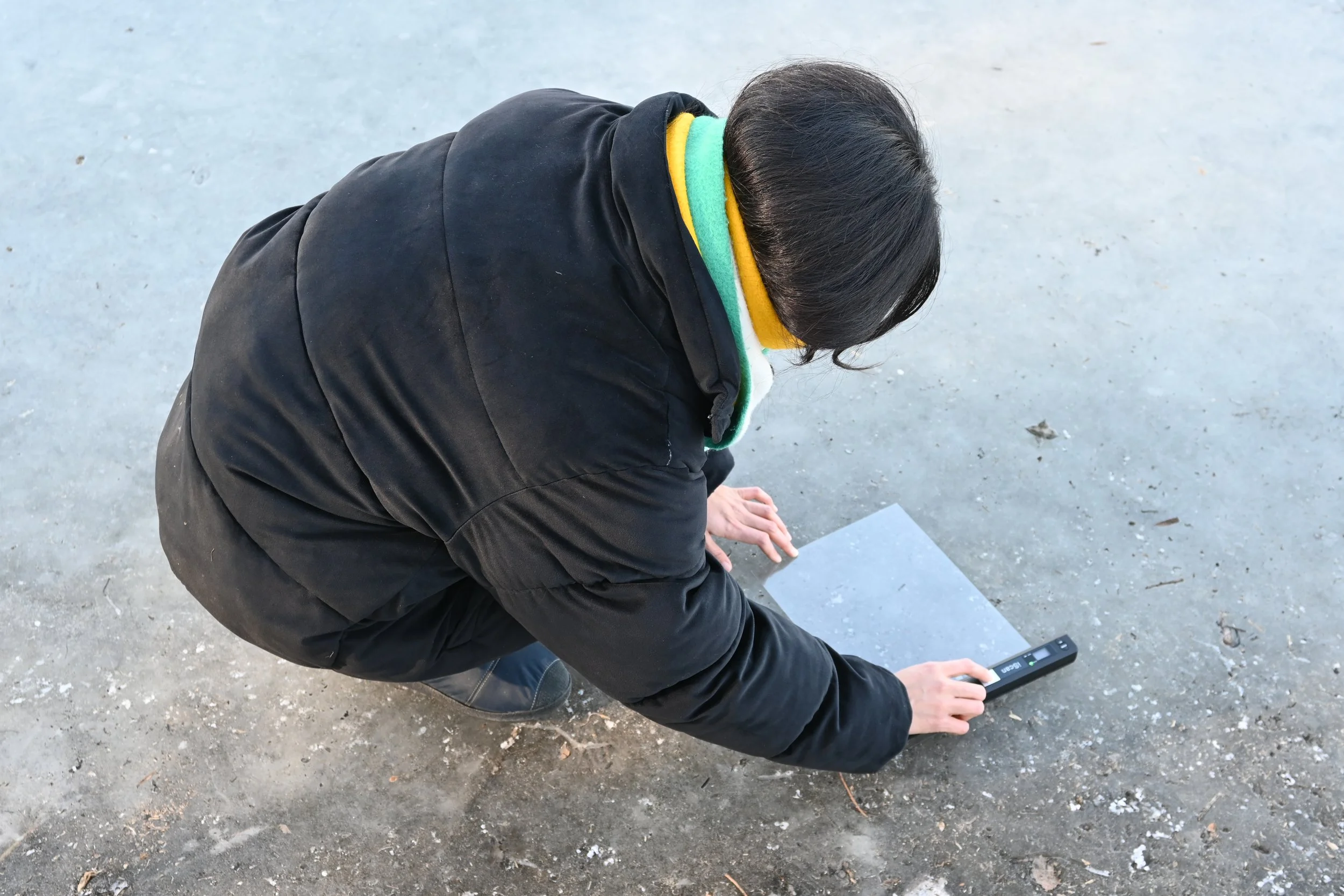
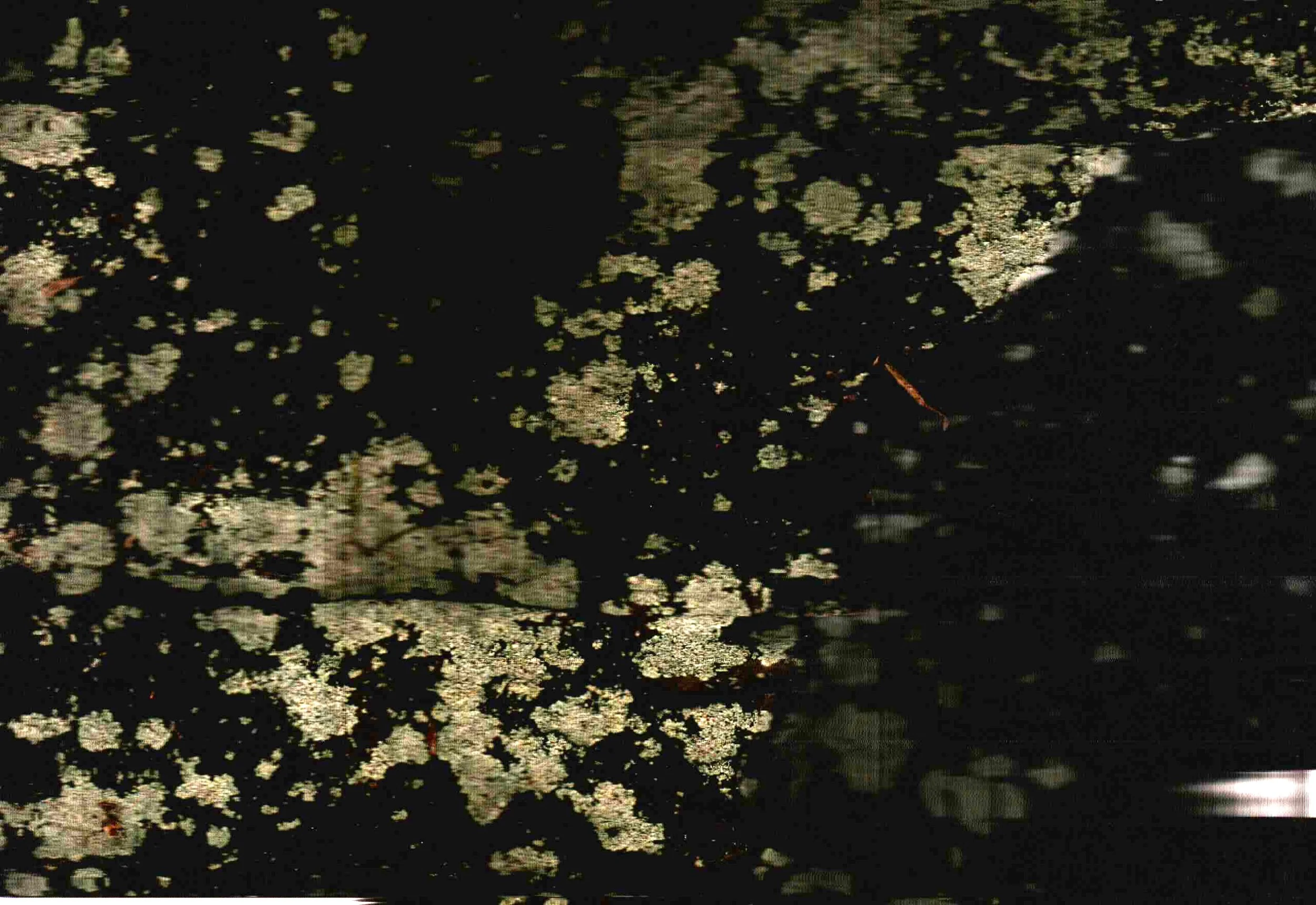
Let Us Descend, Gleaming depicts the moment when hybrid life-forms, long wandering in search of a habitat, are discovered by someone. The organisms cling to the gallery window like tadpoles or the suction pads of freshwater snails. They are made by combining gathered materials—crab shells, grape vines, vegetable stems, dried persimmon seeds, pinecones picked up on the street, twigs, and fruits—with fragments of images recorded in illustrated encyclopedias of flora and fauna. In the traces they leave behind, secretion-like residues made of glass paint, fluorescent paint, and glitter have hardened. The work began from the artist’s climate-grief depression within a cycle in which microplastics are found in aquatic organisms and those organisms are then consumed by humans. This experience expands into a broader social phenomenon: a slow retreat and disappearance. The glittering remnants become both a channel of mourning and a final party—an intense emission of aliveness, even as it actively withdraws toward death.
REFERENCES:
Wetlandist (2019), Kim San-ha, Science Books: https://product.kyobobook.co.kr/detail/S000001939756
Record of Microplastic Pollution in Tidal Flats on Korea’s West Coast: https://osean.net/seminar/?bmode=view&idx=18119922&utm
Various forms of microplastics were identified in the sediment layers of west coast tidal flats: https://www.hdhy.co.kr/news/articleView.html?idxno=18632&utm
Audio Magazine Hyeri Kim’s Quiet Life, October 2024 Issue, “The Chair for Reading: Giving Up and Letting Go — Finding a Path to Survival in Retreat,” Kim Hong-joong: https://dlink.podbbang.com/c45bd3c0
Audio Magazine Hee-jin Jung’s Study, May 2024 Issue, “The Pleasure of Knowing and a Little Pain: The Green Class (feat. I Depend)”: https://dlink.podbbang.com/4e718b49
Jaehyuk Lee
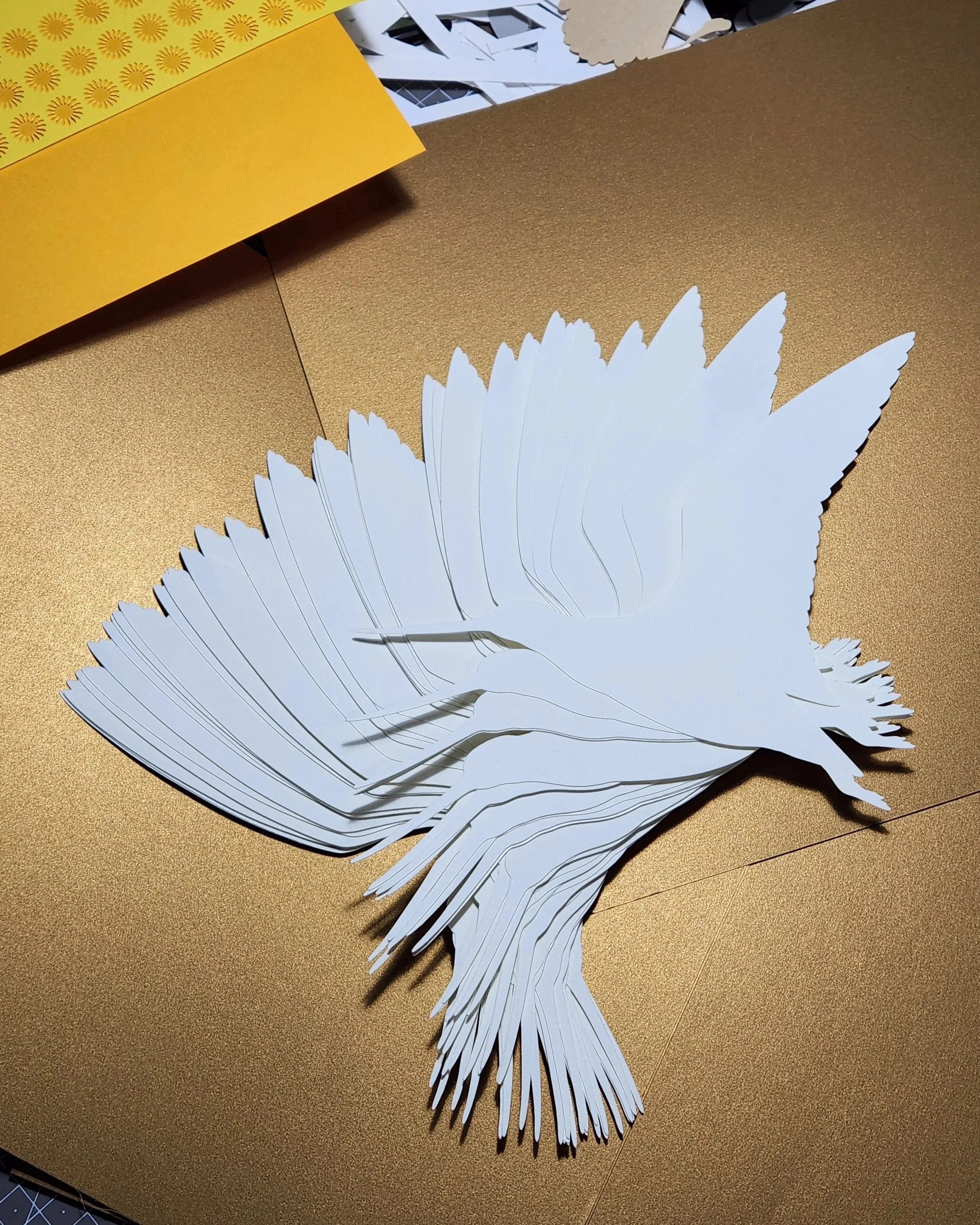
Orbital Period, paper, wood, metal, fishing line, variable size
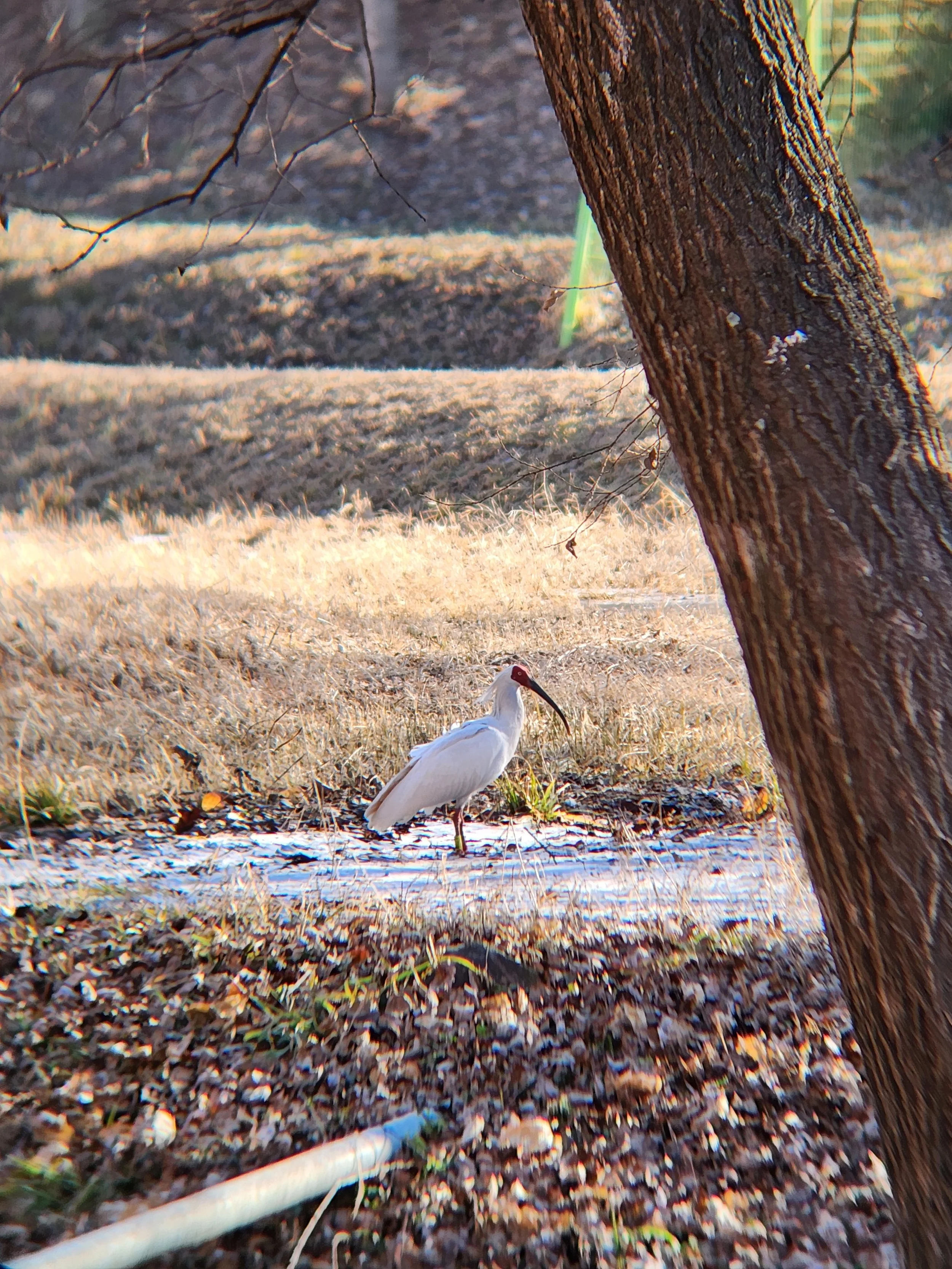
When the Saemangeum seawall was built, 300,000 migratory birds that used to return to Korea every winter lost their stopover site and died of starvation. When we encroach upon birds’ spaces, we tend to assume they will easily relocate. But they do not. Birds that lose their way keep flying until they die. In time, flight ceases to be freedom and becomes a constraint that leads them to death. Orbital Period is a work for the migratory birds that died without finding a place to land. The small gestures we make—our pulls, the movement of our collars, the wind of our breath—set them in motion. When our movements stop, the birds finally stop beating their wings. Yet even without us, the birds continue to rise—without frantic flapping, without the impatience of searching for somewhere to settle. Perhaps what is truly unnecessary is our movement that makes them fly.
REFERENCES:
New Zealand’s Māori tribe sends a letter to Jeonbuk Regional Environmental Office calling for protection of the shorebird habitat at Sura Tidal Flat: https://share.google/V8VC9fZsWpf0JVPQP
Eunhyung Chung
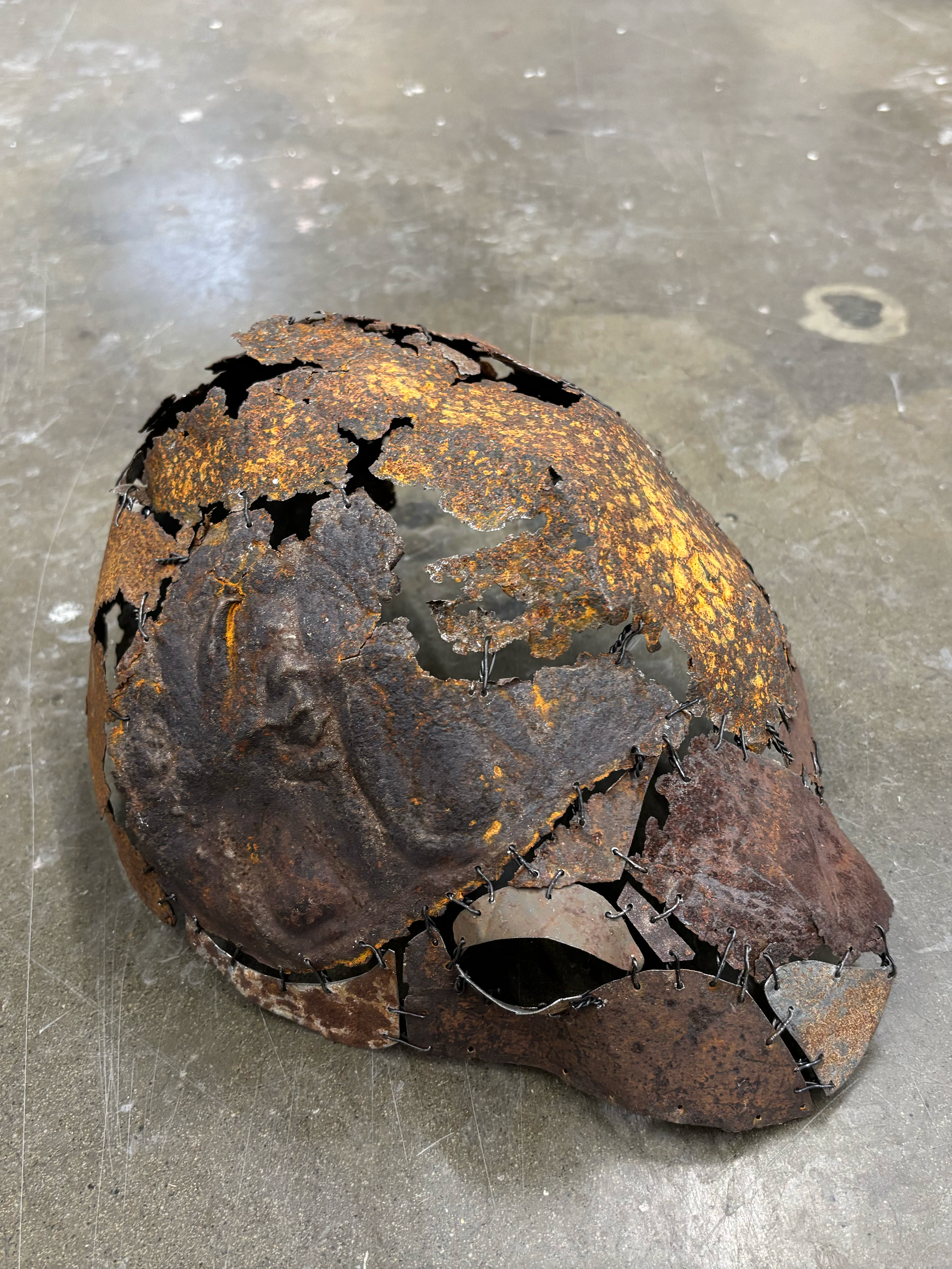
Submerged Witness, discarded scrap metal, wire, light bulbs, sensors, variable installation (each otter head: 10 × 25 × 10 cm), 2026
Submerged Witness portrays the otters as water spirits guarding the last remaining wetland: an otter that lost its home, wandered onto the road, and ended its life on asphalt; an otter that quietly watches us from the waters of a disappearing wetland; and an otter whose face has been distorted by swallowing the debris left behind by humans. Their faces lose form—like the cracked ground of a drained wetland, like shadows breaking apart on the water’s surface. The discarded metal fragments and wire that cover the faces are tangled like ruptured flesh and twisted nerves. They have all seen. Within the fissures of time that have been ignored, their eyes respond to people’s movements, and their lights flicker faintly—like a shallow, gasping breath.
REFERENCES:
Government establishes roadkill countermeasures… guiding fences and warning signs prove effective: https://www.newspenguin.com/news/articleView.html?idxno=12531
[Climate K] Wetlands, the “land of life,” are disappearing… carbon sinks in crisis: https://www.youtube.com/watch?v=qB-eRMefBq4